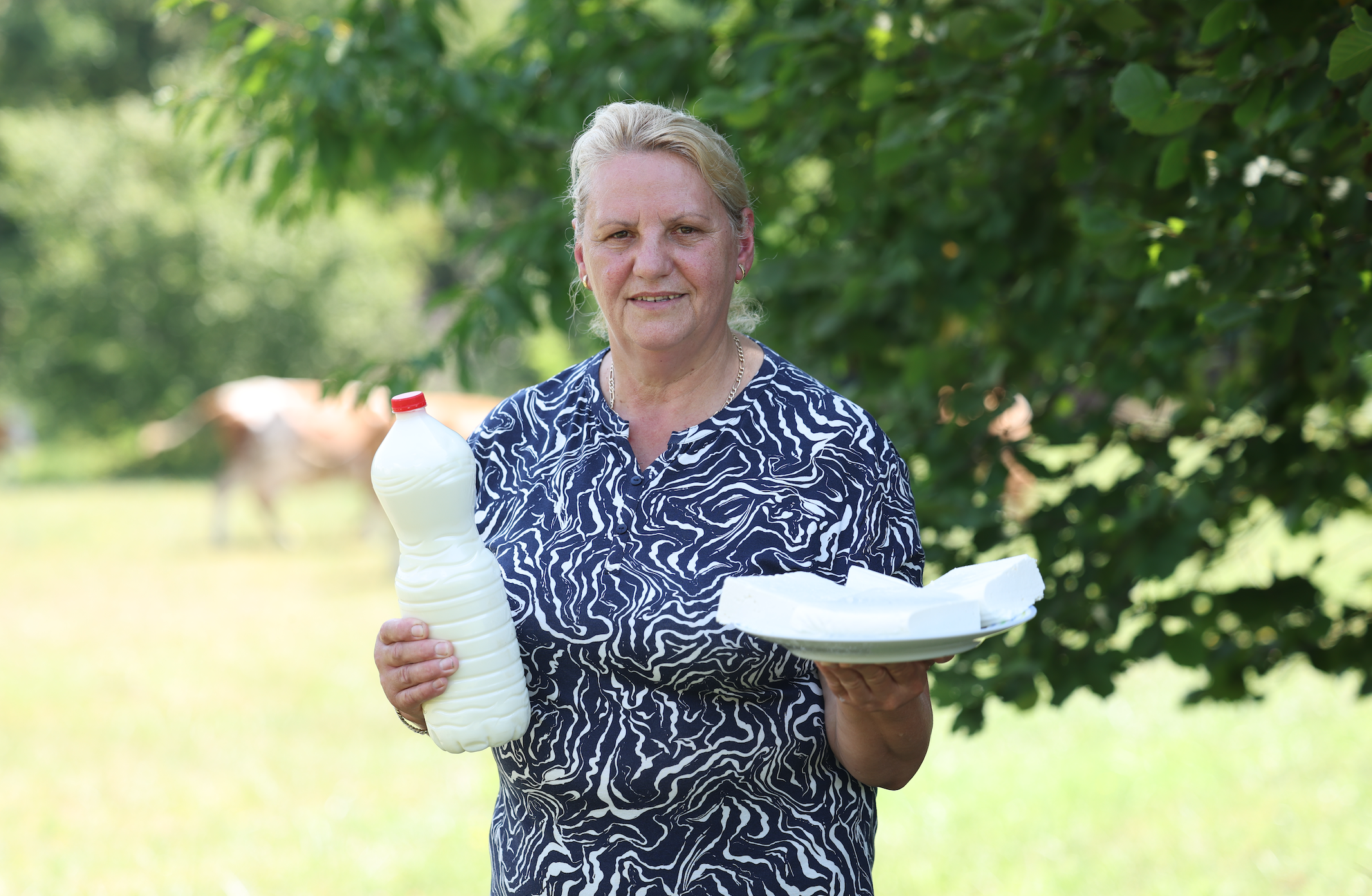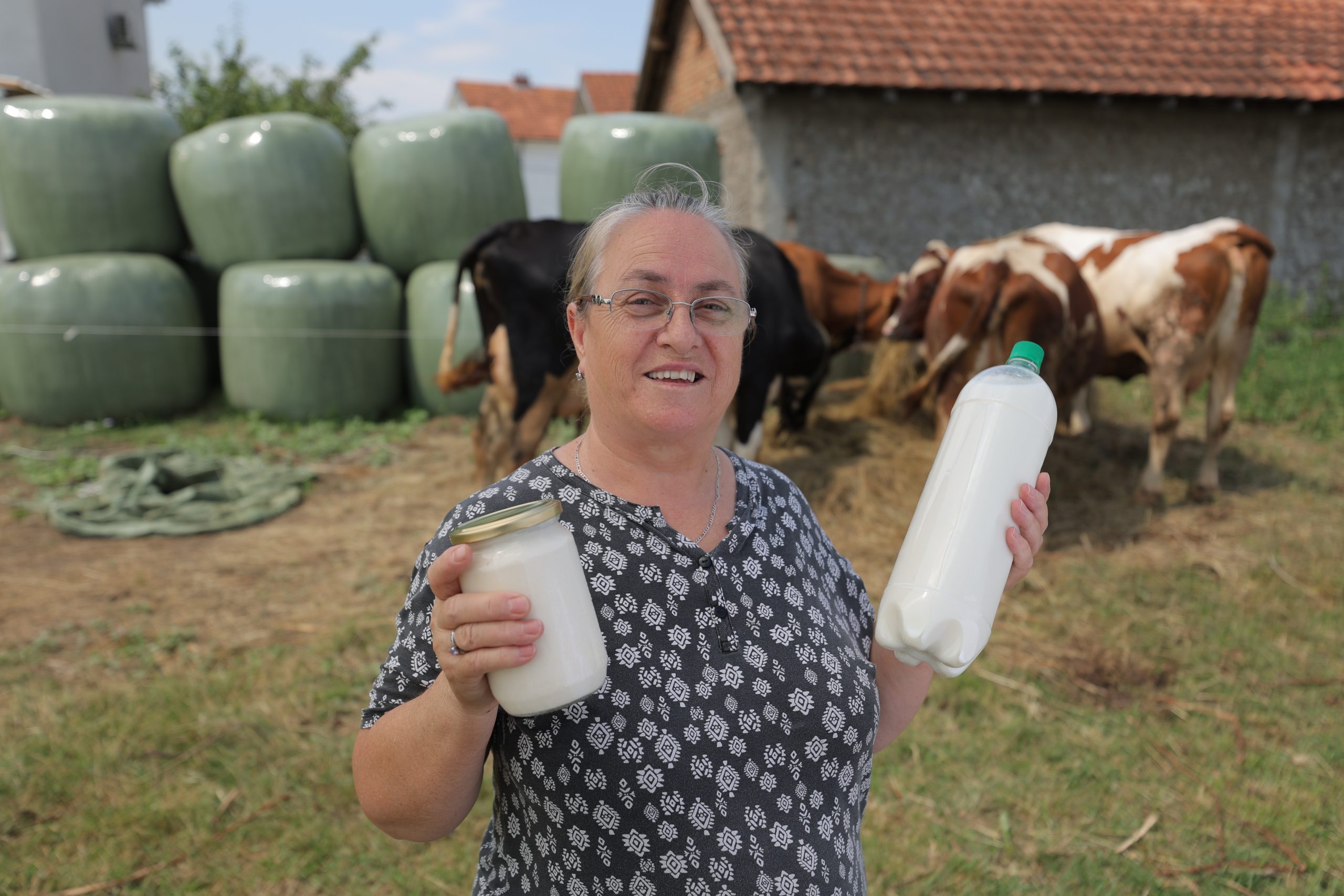
Since 2003, Aldi Dairy, part of the Opatija company, has been one of the early dairy manufacturers in Kosovo. From yogurt and sour milk to cheese, the company has built a stable presence in the local market, supplying customers across the country with consistent dairy products.
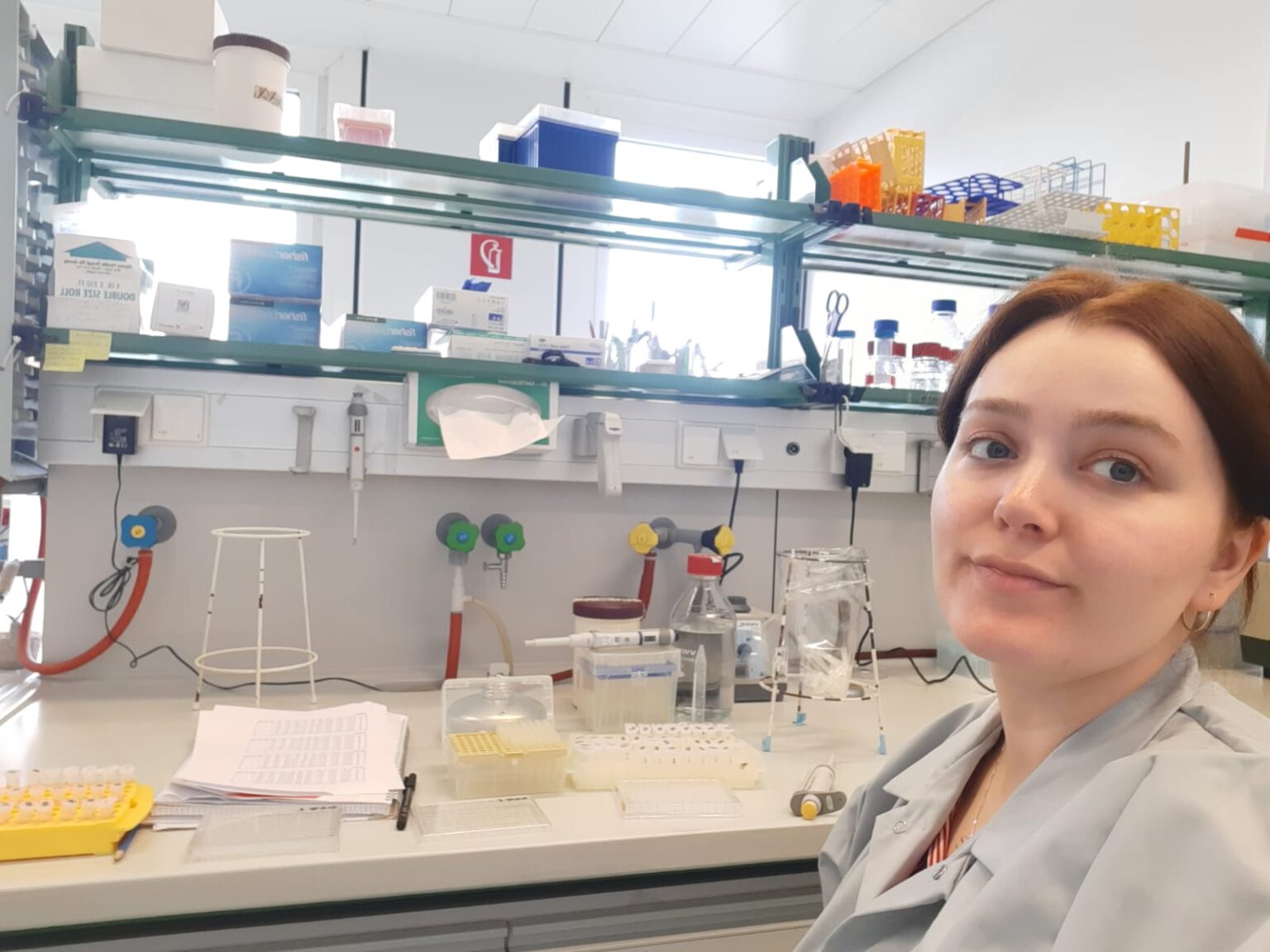
Today, the company is led by Arbnora Durmishaj, representing the next generation of a family business that has been built over decades. Originally founded by her family, Aldi Dairy has evolved from its early beginnings into a more structured and forward-looking operation under her leadership. With a background in engineering and food technology, and research experience linked to Austria, Arbnora combines technical expertise with hands-on management. In a sector marked by strong competition and frequent price fluctuations, this role requires constant adaptation, resilience, and the ability to modernize while preserving the foundations of the business.
As a woman leading a business in a traditionally demanding and competitive sector, Arbnora’s role reflects a shift toward greater female participation in industries where leadership has often been male dominated. The company operates with 15 employees, six of whom are women.
One of the main challenges has been managing production and stock efficiently. With a capacity of around 30,000 units, but lower actual production due to market conditions, the need for better process control became increasingly evident.
This is where the Digital Empowerment Initiative (DEI) made a difference.
Through DEI support, the company implemented a digital ERP system for managing production, sales, and stock. Today, Arbnora and her team can track in real time what is being produced, sold, and where losses may occur in the process. This has led to greater control, reduced uncertainty, and more informed decision-making.
The results have been tangible. While the introduction of the system has improved efficiency and control across operations, it has also supported the company’s growth. Aldi Dairy has hired two new employees and expanded its distribution reach through a more structured sales and logistics system. This reflects an important shift, where better organization does not reduce the need for people, but creates space for further development.
As the company continues to grow, there is increasing potential to create additional employment opportunities, including for women and young professionals interested in building careers in the sector.
Beyond operational improvements, this shift has also influenced how the company approaches the future. The next focus is investing in more advanced packaging machinery and further expanding production capacity, while continuing to seek support for new development steps.
The story of Aldi shows that even traditional businesses must continuously adapt. And often, the difference is not only in what is produced, but in how it is managed.
The Digital Empowerment Initiative (DEI) is co-financed by the Ministry of Industry, Entrepreneurship, Trade and Innovation (MIETI) through KIESA, in collaboration with the EnInGeP project. EnInGeP is financed by the Austrian Development Cooperation (ADC) and is jointly implemented by CARE International and ECIKS.